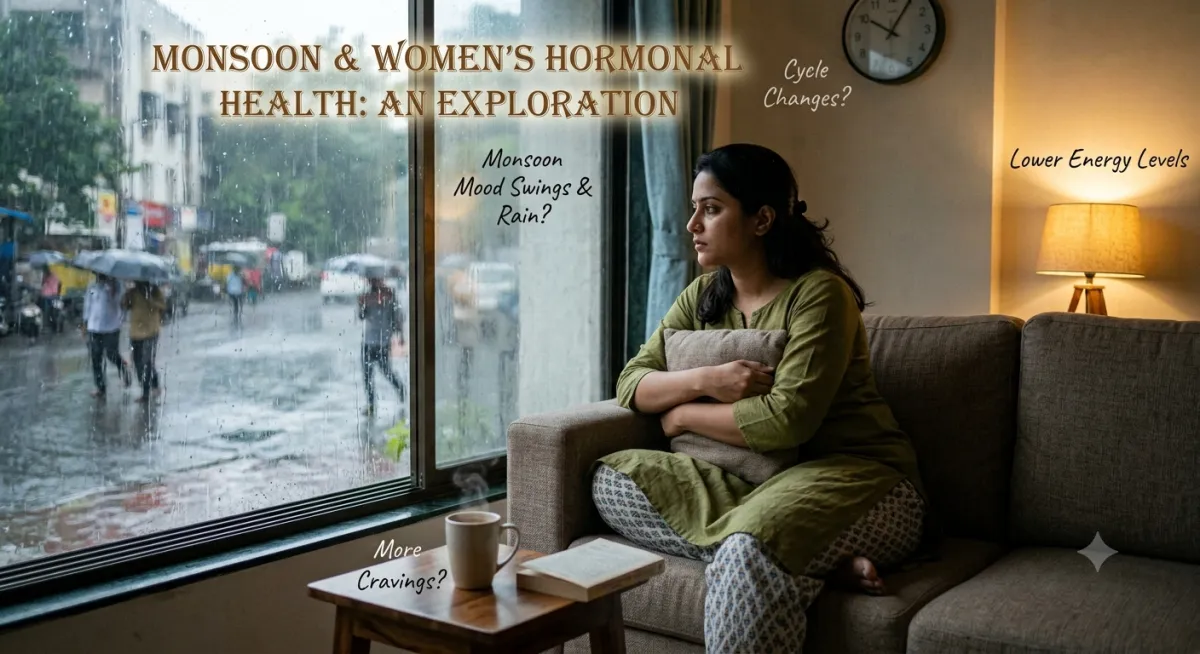
Monsoon and Women's Hormonal Health: Can Rainy Weather Affect Your Body?
Monsoon and Women's Hormonal Health: Can Rainy Weather Affect Your Body?
When the monsoon arrives, it brings relief from the scorching summer heat—but it also brings noticeable changes in humidity, temperature, and sunlight. While most people associate the rainy season with colds and infections, many women experience subtle changes in their hormonal health during this time.
Have you noticed irregular periods, mood swings, increased fatigue, or worsening PCOS symptoms during the monsoon? While the weather itself doesn't directly alter your hormones, seasonal changes can influence your body's natural balance in several ways.
Let's understand how monsoon can impact women's hormonal health and what you can do to stay healthy.
Can Monsoon Really Affect Hormones?
Hormones are chemical messengers that regulate everything from your menstrual cycle and mood to metabolism and fertility. They are influenced by factors such as sleep, nutrition, stress, physical activity, and environmental conditions.
During the monsoon, reduced sunlight, higher humidity, fluctuating temperatures, and lifestyle changes may indirectly affect hormonal balance.
1. Reduced Sunlight Can Lower Vitamin D Levels
Rainy days often mean less exposure to sunlight, which is the primary source of Vitamin D. This vitamin plays an important role in women's hormonal health.
Low Vitamin D levels have been linked with:
PCOS
Irregular menstrual cycles
Mood changes
Fertility challenges
Weakened immunity
Even if you stay indoors most of the day, it's important to monitor your Vitamin D levels, especially if you already have hormonal disorders.
2. Increased Stress and Mood Swings
Cloudy weather and limited outdoor activities can affect emotional well-being. Some women may experience:
Low energy
Anxiety
Irritability
Difficulty concentrating
Changes in sleep patterns
Stress increases the production of cortisol, commonly known as the "stress hormone." Elevated cortisol can interfere with reproductive hormones, potentially affecting menstrual regularity and ovulation.
3. PCOS Symptoms May Feel More Noticeable
Women living with Polycystic Ovary Syndrome (PCOS) may notice changes during the rainy season due to reduced physical activity and unhealthy eating habits.
Common concerns include:
Weight gain
Sugar cravings
Acne flare-ups
Irregular periods
Fatigue
Maintaining a balanced lifestyle throughout the monsoon can help manage these symptoms more effectively.
4. Sleep Disturbances Can Affect Hormonal Balance
The rainy season often changes daily routines. Late nights, irregular sleep schedules, and reduced physical movement can disturb hormones responsible for:
Menstrual health
Appetite
Metabolism
Stress regulation
Aim for 7–9 hours of quality sleep every night to support hormonal balance.
5. Changes in Diet Can Influence Hormones
Monsoon cravings often lead to fried snacks, sweets, and sugary beverages. While occasional treats are fine, frequent unhealthy eating may contribute to:
Blood sugar fluctuations
Weight gain
Increased inflammation
Worsening PCOS symptoms
Instead, choose nutrient-rich foods that support hormonal health.
Foods That Support Hormonal Health During Monsoon
Include these foods in your daily diet:
Fresh seasonal fruits
Green leafy vegetables (washed thoroughly)
Whole grains
Lentils and legumes
Nuts and seeds
Yogurt or probiotic-rich foods
Lean proteins
Turmeric, ginger, and garlic for natural immunity
Drink plenty of clean, filtered water even if you don't feel thirsty.
Don't Ignore These Warning Signs
Consult a gynecologist if you experience:
Missed or irregular periods
Heavy menstrual bleeding
Severe menstrual pain
Persistent fatigue
Sudden weight gain
Excessive hair fall
Acne that worsens unexpectedly
Difficulty conceiving
Early diagnosis can help prevent complications and improve long-term hormonal health.
Simple Tips to Keep Your Hormones Healthy This Monsoon
Stay physically active with indoor workouts or yoga.
Eat a balanced, nutritious diet.
Get adequate sleep every night.
Manage stress through meditation or breathing exercises.
Maintain good personal hygiene to reduce the risk of infections.
Stay hydrated.
Schedule regular gynecological check-ups if you have PCOS, thyroid disorders, or menstrual irregularities.
When Should You Visit a Gynecologist?
If hormonal symptoms persist for more than two or three menstrual cycles, or if they begin affecting your daily life, it's time to seek expert medical advice. Hormonal disorders are manageable with timely diagnosis, lifestyle modifications, and appropriate treatment.
Monsoon and Women's Hormonal Health | Can Rainy Weather Affect Your Body?
#WomensHealth #HormonalHealth #MonsoonCare #PCOSAwareness #MatrutvamHospital


