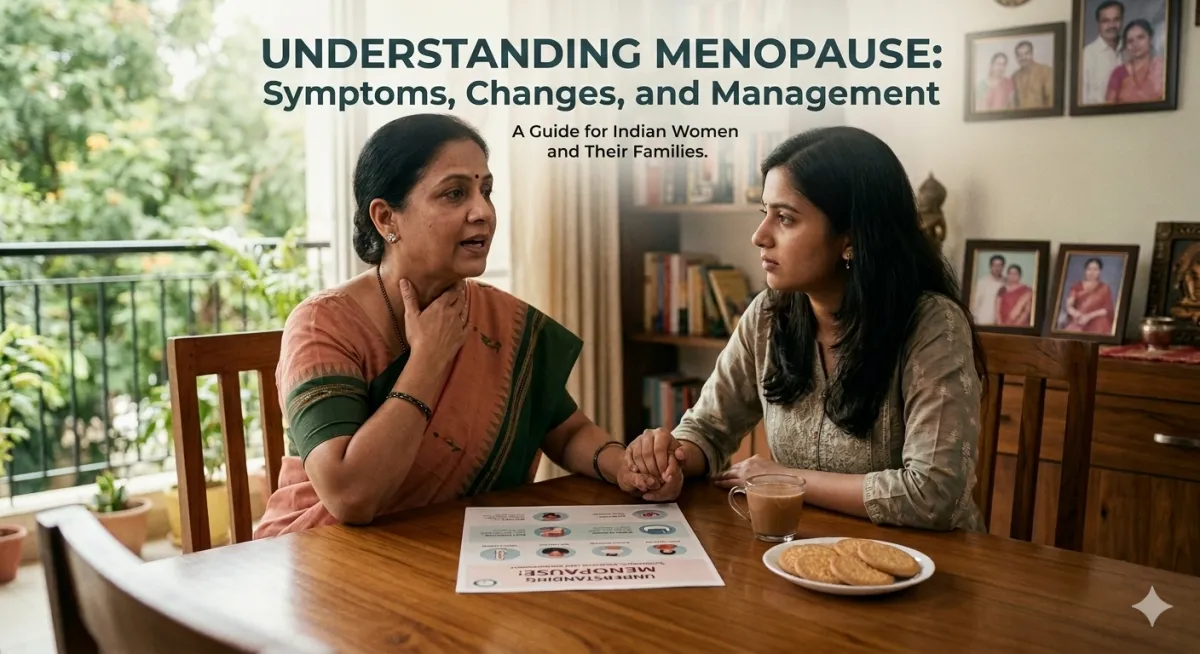
Understanding Menopause: Symptoms, Changes, and How to Manage Them
Understanding Menopause: Symptoms, Changes, and How to Manage Them
Menopause is a natural stage in a woman’s life that marks the end of her menstrual cycle. It usually occurs between the ages of 45 and 55 and is diagnosed when a woman has not had a period for 12 consecutive months. While menopause is a normal biological process, the physical and emotional changes that come with it can sometimes be challenging.
What Causes Menopause?
Menopause happens when the ovaries gradually produce less estrogen and progesterone, the hormones responsible for regulating the menstrual cycle. As hormone levels decline, the body begins to experience several changes that signal the transition into menopause.
Common Symptoms of Menopause
Every woman experiences menopause differently, but some symptoms are more common than others:
Hot Flashes: Sudden feelings of heat, often accompanied by sweating and redness of the face or neck.
Night Sweats: Excessive sweating during sleep that can disturb rest.
Irregular Periods: Periods may become lighter, heavier, or less frequent before stopping completely.
Mood Changes: Hormonal fluctuations can lead to mood swings, irritability, or anxiety.
Sleep Problems: Many women find it difficult to fall or stay asleep.
Vaginal Dryness: Reduced estrogen levels may cause discomfort during intimacy.
Reduced Energy Levels: Fatigue and low energy can become more noticeable.
Physical and Emotional Changes
Menopause does not only affect reproductive health. It can also influence bone density, heart health, metabolism, and emotional well-being. Some women may experience weight gain, thinning hair, or dry skin. Emotional changes such as stress, mood fluctuations, or difficulty concentrating may also occur during this transition.
How to Manage Menopause Symptoms
1. Maintain a Healthy Diet
Eating balanced meals rich in calcium, vitamin D, fruits, vegetables, and whole grains helps support bone and overall health.
2. Stay Physically Active
Regular exercise such as walking, yoga, or strength training can improve mood, maintain weight, and strengthen bones.
3. Manage Stress
Practices like meditation, deep breathing, and relaxation techniques can help manage mood swings and anxiety.
4. Get Enough Sleep
Establishing a consistent sleep routine and creating a comfortable sleep environment can improve sleep quality.
5. Consult a Doctor When Needed
If symptoms become severe or affect daily life, consulting a gynecologist is important. Doctors may suggest lifestyle changes, supplements, or hormone therapy depending on individual needs.
The Importance of Medical Support
Many women hesitate to discuss menopause symptoms, thinking they are just a normal part of aging. However, proper medical guidance can make this phase much easier to manage. Regular health checkups help monitor hormonal health, bone density, and overall well-being during menopause.
#MenopauseAwareness #WomenHealth #HealthyAging #HormonalHealth #WomensWellness


