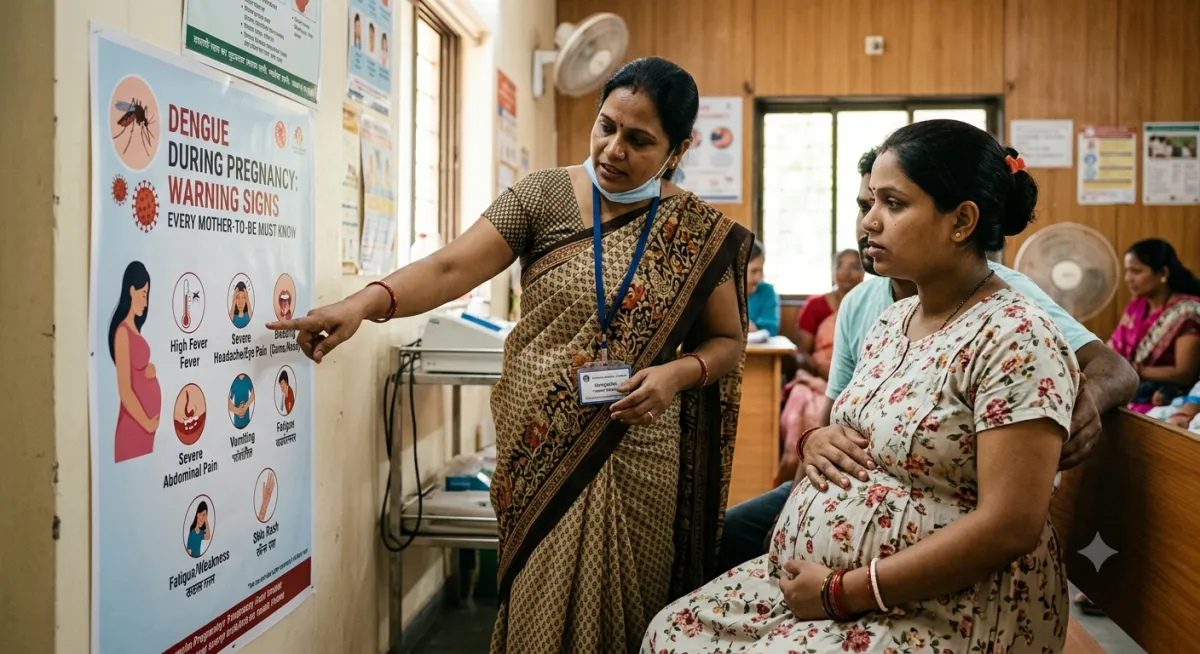
Dengue During Pregnancy: Warning Signs Every Mother-to-Be Must Know
Dengue During Pregnancy: Warning Signs Every Mother-to-Be Must Know
Monsoon brings relief from the heat, but it also increases the risk of mosquito-borne infections such as dengue. For pregnant women, dengue needs extra attention because pregnancy already places additional demands on the body.
Knowing the warning signs and seeking medical care early can help protect both mother and baby.
What Is Dengue?
Dengue is a viral infection spread mainly through the bite of infected Aedes mosquitoes. It commonly causes fever, headache, body aches, nausea, and weakness.
While many people recover with proper medical care, dengue during pregnancy requires careful monitoring because complications can sometimes develop quickly.
Why Is Dengue During Pregnancy a Concern?
Pregnancy can make it more difficult to distinguish some dengue symptoms from common pregnancy discomforts.
Dengue may also increase the risk of:
Dehydration
Low platelet counts
Bleeding
Maternal complications
Fetal complications, depending on the severity and stage of pregnancy
This is why early medical evaluation is important if dengue is suspected.
Common Symptoms of Dengue
Watch for symptoms such as:
Sudden high fever
Severe headache
Pain behind the eyes
Muscle and joint pain
Nausea or vomiting
Extreme tiredness
Skin rash
If you develop a fever during pregnancy, don't self-diagnose. Contact your doctor and get evaluated.
🚨 Warning Signs You Should Never Ignore
Seek urgent medical attention if you experience:
1. Persistent Vomiting
Repeated vomiting can lead to dehydration and may indicate worsening illness.
2. Abdominal Pain
Severe or persistent abdominal pain should be evaluated immediately.
3. Bleeding
Watch for bleeding from the gums or nose, blood in vomit or stool, or unusual vaginal bleeding.
4. Extreme Weakness or Restlessness
Sudden worsening weakness, confusion, unusual sleepiness, or restlessness requires prompt medical attention.
5. Breathing Difficulty
Difficulty breathing or unusual chest discomfort should never be ignored.
6. Reduced Urine Output
Passing significantly less urine can be a sign of dehydration or another complication.
7. Reduced Baby Movements
If you notice a significant decrease in your baby's usual movements, contact your maternity care team immediately.
What Should You Do If You Suspect Dengue?
If you develop a high fever or dengue-like symptoms:
Contact your gynecologist promptly.
Get the tests recommended by your doctor.
Drink adequate fluids if you can tolerate them.
Take only medicines recommended by your healthcare provider.
Monitor your symptoms closely.
Follow up as advised, even if you start feeling better.
Do not self-medicate, particularly with painkillers, because some medicines may increase bleeding risk in suspected dengue.
How Can Pregnant Women Prevent Dengue?
Prevention is especially important during monsoon.
Protect Yourself From Mosquito Bites
Use doctor-approved mosquito repellents.
Wear full-sleeved clothing when possible.
Use mosquito nets or screens.
Keep doors and windows screened.
Remove stagnant water around your home.
Keep water containers covered.
Remember, dengue mosquitoes can bite during the daytime, not just at night.
When Should You See a Doctor?
During pregnancy, don't wait for symptoms to become severe. If you develop a sudden fever, significant body pain, rash, vomiting, or any unusual bleeding, contact your healthcare provider.
Your doctor may recommend blood tests and monitoring based on your symptoms and pregnancy.
Final Thoughts
Dengue during pregnancy can be serious, but early recognition, medical supervision, hydration, and mosquito-bite prevention can make a significant difference.
Don't ignore a sudden fever during monsoon or assume that unusual symptoms are simply part of pregnancy. When in doubt, speak to your gynecologist.
At Matrutvam Women's Multispeciality Hospital, our team is committed to providing timely and compassionate care for mothers throughout pregnancy—including during the monsoon season.
Stay protected. Stay alert. Take care of yourself and your baby.
#DengueInPregnancy #PregnancyCare #MonsoonHealth #MatrutvamHospital #HealthyPregnancy


