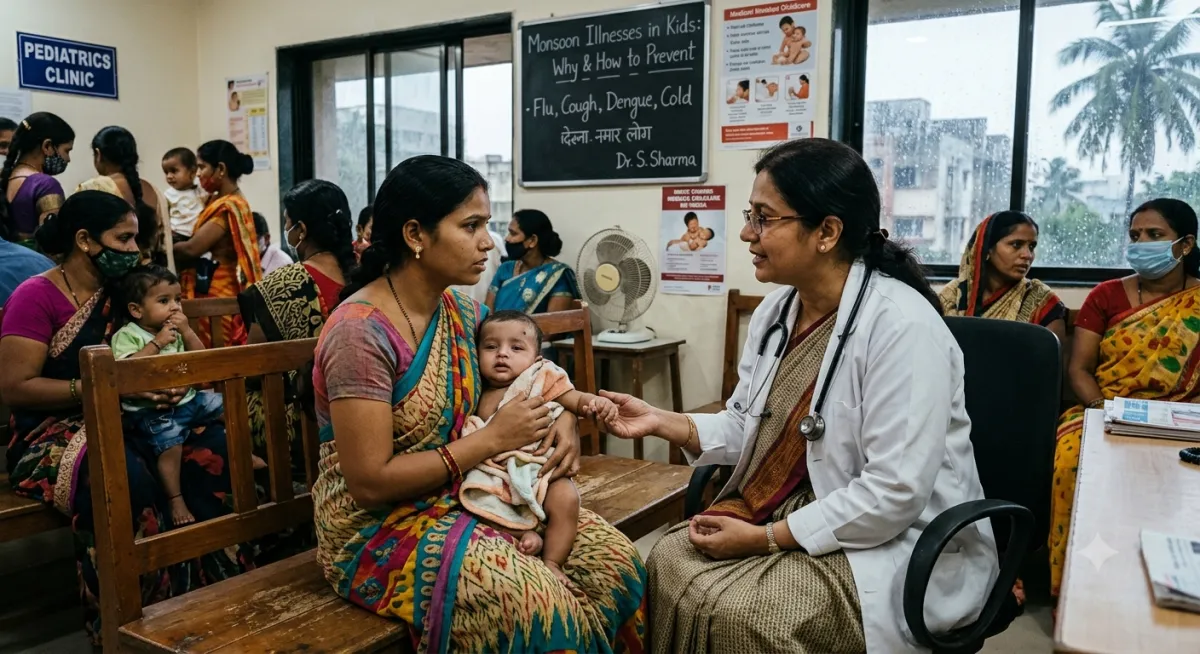
Why Babies Fall Sick More During the Rainy Season: A Pediatrician Explains
Why Babies Fall Sick More During the Rainy Season: A Pediatrician Explains
The arrival of the monsoon brings much-needed relief from the heat, but it also marks the beginning of a season when many parents find themselves making frequent visits to the pediatrician. Colds, coughs, fever, stomach infections, and allergies become much more common among babies and young children. But why does this happen?
According to pediatricians, the rainy season creates an environment that favors the growth and spread of viruses, bacteria, and fungi. Understanding the reasons behind these seasonal illnesses can help parents protect their little ones and ensure timely medical care.
Why Are Babies More Vulnerable During Monsoon?
Babies and young children have developing immune systems, which means their bodies are still learning to fight infections effectively. Combined with the increased humidity and temperature fluctuations during monsoon, this makes them more susceptible to illnesses.
1. Viruses Spread More Easily
Cold and flu viruses thrive in humid environments. During the rainy season, children spend more time indoors, increasing close contact with family members and other children. This makes it easier for viral infections to spread.
Common symptoms include:
Runny nose
Sneezing
Cough
Mild fever
Irritability
2. Sudden Temperature Changes Affect the Body
Moving between cool indoor environments and humid outdoor weather can affect a baby's natural temperature regulation. Infants are particularly sensitive to sudden changes in temperature, which may make them uncomfortable and increase their susceptibility to respiratory infections.
3. Increased Risk of Stomach Infections
Contaminated water and food are more common during the rainy season. Babies who have started complementary feeding are at higher risk of developing:
Diarrhea
Vomiting
Stomach pain
Dehydration
Proper hygiene and safe drinking water are essential to prevent gastrointestinal infections.
4. Mosquito-Borne Diseases Become More Common
Stagnant water during monsoon creates breeding grounds for mosquitoes. Diseases such as dengue and malaria become more prevalent during this period.
Parents should seek immediate medical attention if a child develops:
High fever
Persistent vomiting
Unusual sleepiness
Reduced feeding
Rash or bleeding spots
5. Humidity Encourages Fungal and Skin Infections
Excess moisture can lead to diaper rashes and fungal infections in babies. Sweat and damp clothing create favorable conditions for fungal growth.
Keeping the baby's skin dry and changing wet clothes promptly can help prevent these problems.
How Can Parents Protect Their Babies During Monsoon?
Maintain Good Hand Hygiene
Wash hands frequently before feeding or handling the baby.
Continue Breastfeeding
Breast milk contains antibodies that strengthen a baby's immune system and provide protection against infections.
Avoid Crowded Places
Minimize exposure to crowded environments, especially if there are ongoing viral infections in the community.
Ensure Safe Drinking Water
Use clean, boiled, or filtered water for preparing baby food and formula.
Keep Vaccinations Up to Date
Routine immunization protects children from several serious infections and should never be delayed.
Dress Babies Appropriately
Avoid overdressing. Keep babies warm and dry without making them sweat excessively.
Use Mosquito Protection
Use mosquito nets and ensure that there is no stagnant water around the home.
When Should Parents Consult a Pediatrician?
Many seasonal illnesses are mild and resolve with supportive care. However, parents should consult a pediatrician immediately if the baby has:
Fever lasting more than 24 hours in infants under 3 months
Difficulty breathing
Refusal to feed
Excessive sleepiness
Persistent vomiting or diarrhea
Reduced urine output
Convulsions
High fever that does not improve
Early medical attention can prevent complications and provide peace of mind to parents.
A Healthy Monsoon Begins With Prevention
While the rainy season brings a higher risk of infections, most illnesses can be prevented through proper hygiene, nutrition, vaccination, and timely medical care. Parents should remember that babies have delicate immune systems and even seemingly minor symptoms should not be ignored.
At Matrutvam Juniors, our pediatric team is committed to providing compassionate and expert care for your child throughout every season. If your baby develops symptoms during the monsoon, consult a pediatrician early rather than relying on home remedies or self-medication.
#MatrutvamJuniors #MonsoonBabyCare #PediatricCare #ChildHealth #HealthyMonsoon


