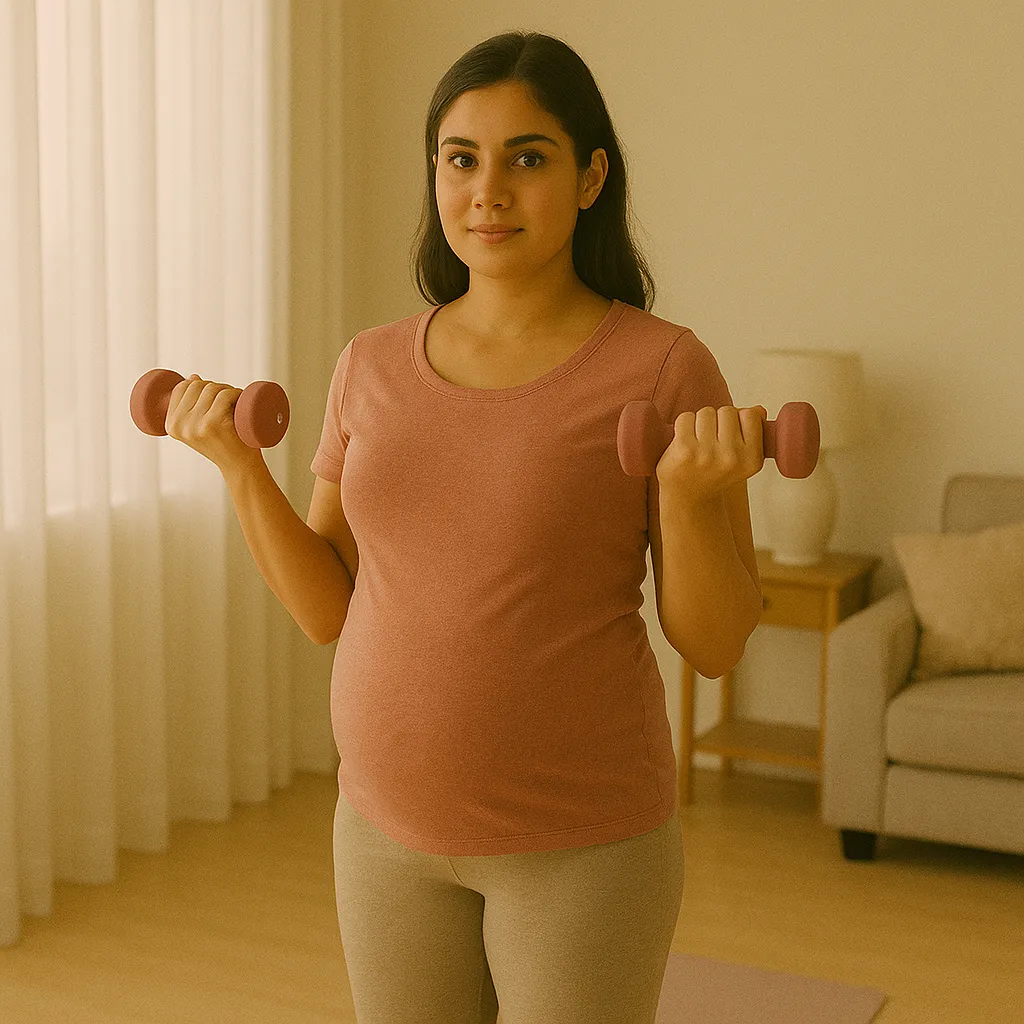
Is Exercise Safe During Pregnancy?
Exercise in pregnancy boosts mother and baby Taught properly, it increases flexibility, eases back pain, lifts mood and sleep, supports digestion, and helps the body prepare for easier labour. “Take it easy in the first trimester and listen to your doctor’s recommendations, she said.
What to Do Each Day
Walking: start 15 minutes; build to 45 minutes.
Breathing & meditation (15–20 min): Sukhasana/Padmasana, Gayatri mantra or soft humming, slow diaphragmatic breathing (inhale 4, exhale 6–8).
Gentle mobilising (10–15 min): slow neck/shoulder rolls, ankle circles, hip tilt, cat–cow.
Yoga (10–15 min): Vajrasana, Marjaryasana (Cat), Butterfly, Gomukhasana (gentle), supported squats, short Tadasana/Vrikshasana holds.
Stretching (light, whole body).
Relaxation: Shavasana 10–15 min (side-lying with pillow after mid-pregnancy).
Pavanamuktasana (modified) for gas/digestion.
How Much Is Safe?
Aim for 150 minutes/week of moderate activity. Use the talk test: you can talk but not sing. New to exercise? Start with 10-15 min allow every few days for an additional 5 min.
Trimester Wise Tweaks
First trimester: Small, regular sessions; sip water; halt if dizzy or extremely fatigued.
Second trimester: Balance changes use a wider stance; from 20 weeks avoid long sessions flat on your back; choose side-lying rest.
Third trimester: Keep it transitory and frequent; cue into breath, posture, pelvic floor and breathy hip openers.
Pelvic Floor & Core (very important)
Kegels: 10 gentle squeezes × 3–4 times/day (squeeze 5 sec, relax 5 sec).
If you have pelvic pain or can’t relax, learn down-training (full release) from a pelvic-health physio.
Safe core work: standing belly breathing, bird-dog, side plank on knees. Resist all flex and strain and any move that produces pain or “doming”.
Posture & Daily Comfort
Neutral spine when sitting; support your lower back with a small cushion.
Roll to your side to get out of bed.
Wear a supportive bra and comfortable shoes; consider a maternity belly band in late pregnancy.
Hydration & Fuel
Drink before, during, after sessions.
Little snack if you’re dizzy (banana, curd, handful of nuts).
After meals, a 10-minute easy walk helps digestion and blood sugar.
Red-Flag Symptoms Stop & Call Your Doctor
Vaginal bleeding or fluid leak
Painful contractions, severe cramps, or sharp one-sided pain
Dizziness, fainting, chest pain, severe shortness of breath
Calf pain/swelling, severe headache, vision changes
Reduced baby movements after 28 weeks
Who Needs Medical Clearance First?
Placenta previa or low-lying placenta, threatened preterm labour, cervical stitch/short cervix
Uncontrolled hypertension, heart/lung disease, severe anaemia, uncontrolled thyroid/diabetes
Multiple pregnancy with complications, recurrent dizziness, or any restriction your clinician mentions
What to Avoid
Contact sports, scuba, hot yoga/sauna, activities with fall risk (horse riding, skiing), breath-holding, long supine work after mid-pregnancy, deep closed twists, extreme backbends.
Simple Weekly Plan (mix & match)
3× 20–30 min walk
2× 20–25 min prenatal yoga (mobility + breath)
2× 15–20 min light strength: chair squats, wall push-ups, band rows, hip bridges, bird-dog (8–12 reps × 1–2 sets)
Daily: 5–10 min mobility + Kegels + 10 min after-meal strolls
Keep it gentle, regular, and mindful. Walking, breathing practices, and prenatal yoga are safe for most women and make a real difference. Always personalise with your gynecologist or a prenatal-yoga expert before starting or changing any routine.
For women-first guidance and tailored plans, visit matrutvamhospitals.com.


